Caught on Web

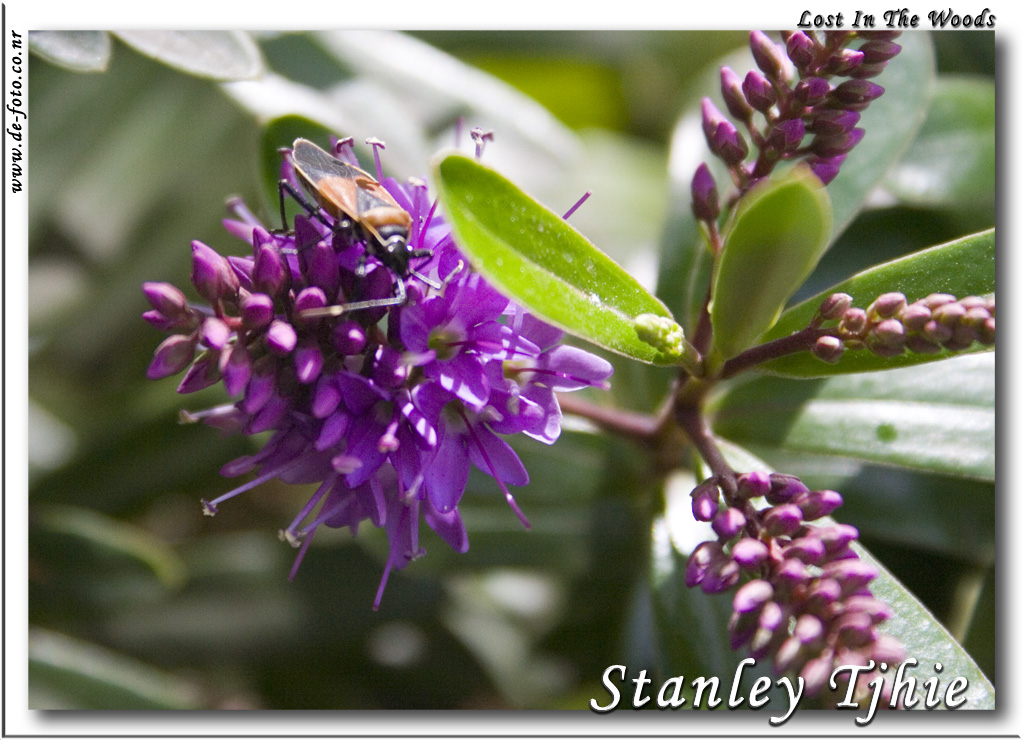
Not sure of what you are looking at? Click on the picture. It was taken at the Federation Hall at the Victorian College of Arts. It had a bug which had itself caught on spider web. I use my tripod which had one og the leg shortened and lying on the corner of the wall to get as near to the subject as possible. The picture was then processed into a black and white with an additional sepia colour filter.
A
spider web,
spiderweb,
spider's web or
cobweb (from the obsolete word "coppe", meaning "spider"
[1]) is a device built by a
spider out of
proteinaceous spider silk extruded from its
spinnerets. Not all spiders build webs to catch
prey, and some do not build webs at all.
The spider, after spinning its web, will then wait on, or near, the web for a prey animal to become trapped. The spider can sense the impact and struggle of a prey animal by vibrations transmitted along the web lines.
Spiders do not usually adhere to their own webs. However, they are not immune to their own glue. Some of the strands of the web are sticky, and others are not. For example, if a spider has chosen to wait along the outer edges of its web, it may spin a non-sticky prey or signal line to the web hub to monitor web movement. Spiders have to be careful to only climb on the non-sticky strands of their webs.
(courtesy of wikipedia.com)